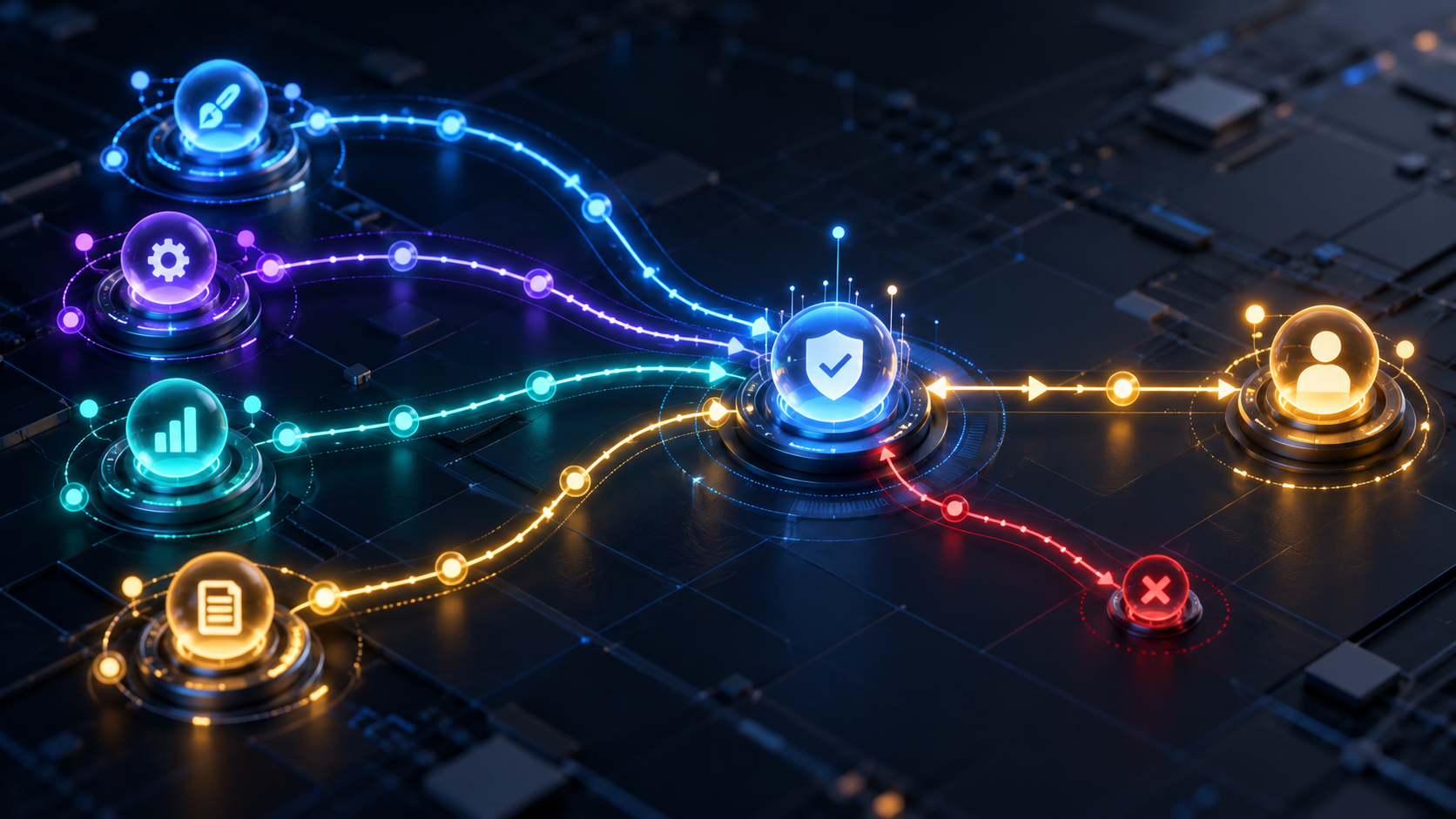
When to Use Subagents in AI Engineering—and When Not To
Subagents can split research, implementation, testing, and review into focused work. The advantage comes from clear boundaries, not from adding more agents.
Abhishek Raj
If one agent is confused, five agents are not a strategy. They are a group chat with a token budget. Subagents are powerful only when they take genuinely separate work off the critical path or provide an independent check that a single agent cannot.
I learned the human version of this while working across product, operations, and engineering. Splitting a task between people only helps when each person can return a clear artifact—an answer, a risk, or a decision—not another meeting. I apply the same test to subagents.
The Litmus Test
Before creating a subagent, finish this sentence: "I need a separate agent because it owns ________, and its output can be checked by ________." If you cannot fill both blanks, keep the work with one agent.
Good uses include parallel codebase discovery, independent security review, research across separate sources, and a test-focused pass after implementation. Bad uses include splitting one linear task into artificial roles or asking several agents the same vague question.
Give Every Worker a Contract
A subagent needs a narrow objective, allowed tools, relevant context, output schema, and a stop condition. "Map authentication: return entry points, data flow, risks, and file paths" is a contract. "Figure out auth" creates an expensive essay.
Require evidence in the output: files inspected, source links, assumptions, confidence, and unanswered questions. That lets a parent agent or engineer compare work without trusting polished prose.
Fan Out, Then Make One Decision
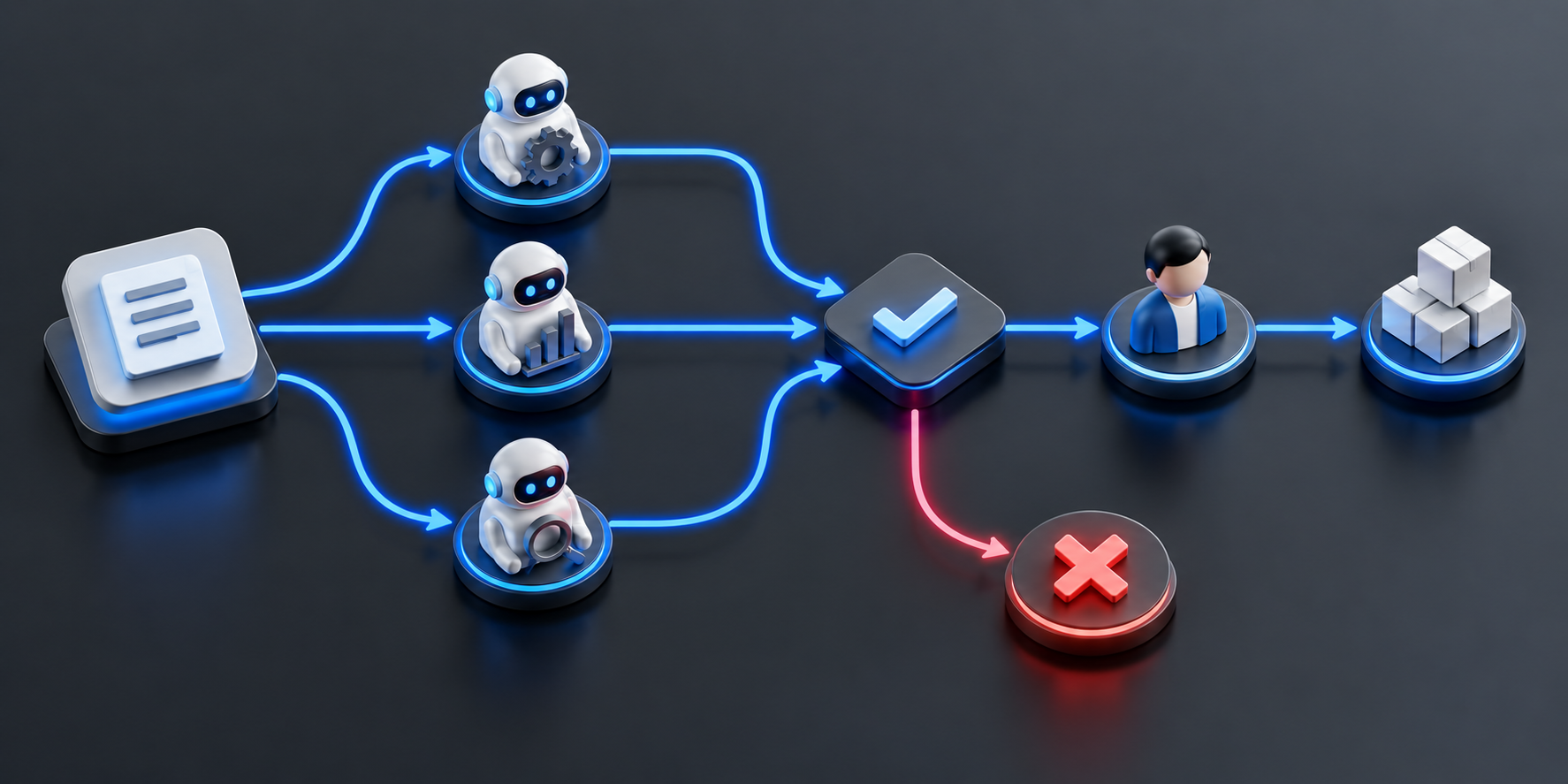
The useful pattern is fan out, synthesize, verify. Independent workers gather targeted evidence. One owner reconciles conflicts into a plan. A final check validates the plan against requirements. This keeps parallelism where it helps and keeps accountability in one place.
Do not make the synthesizer blindly merge every recommendation. Conflicting answers should trigger a named escalation rule, not another round of agents debating each other.
What It Costs
Subagents consume more than tokens. They introduce coordination, state-sharing, retries, and failure modes. Measure whether they improve completion quality, elapsed time, human intervention, or cost per successful task. If they do not, delete them.
The best multi-agent system is usually smaller than the architecture diagram. Start with one agent. Add a subagent only when it owns a clear, independently verifiable responsibility.